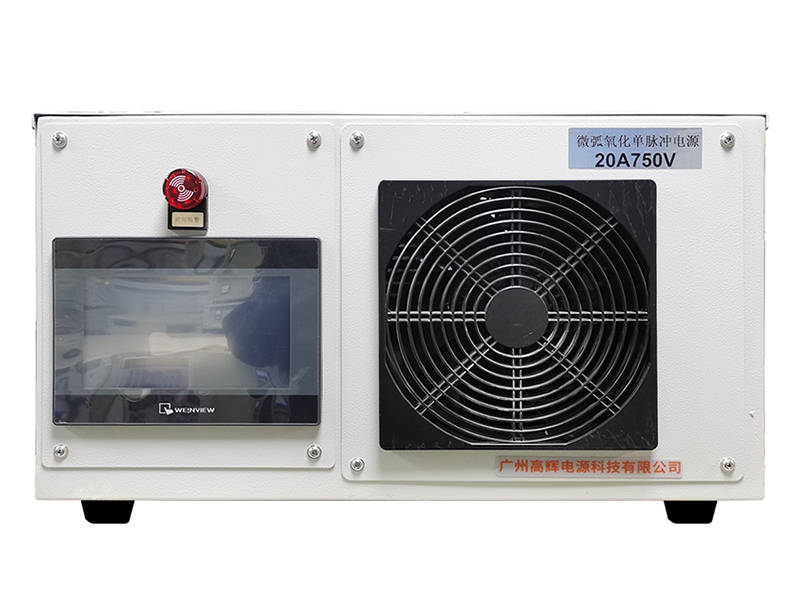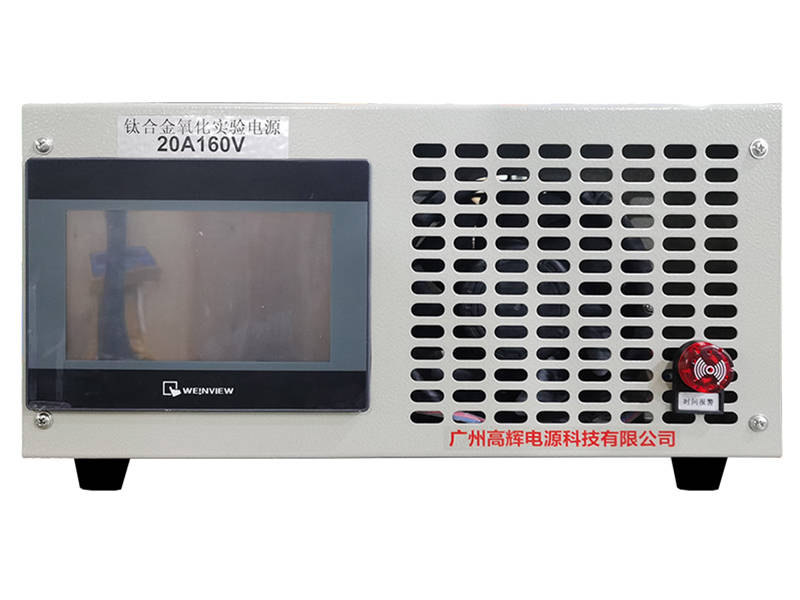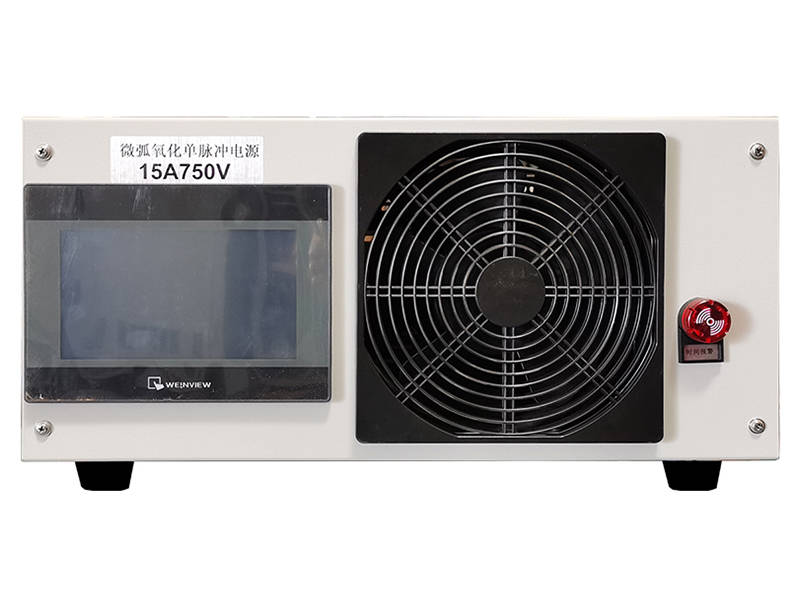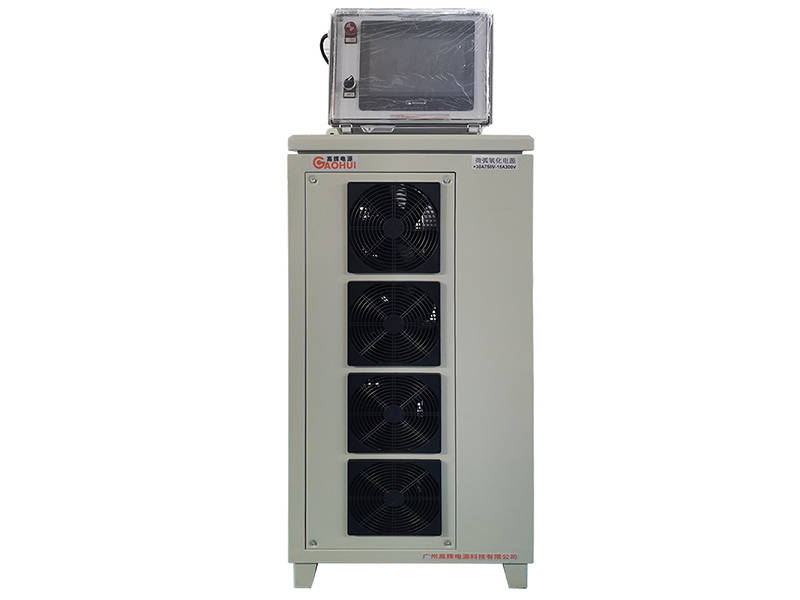
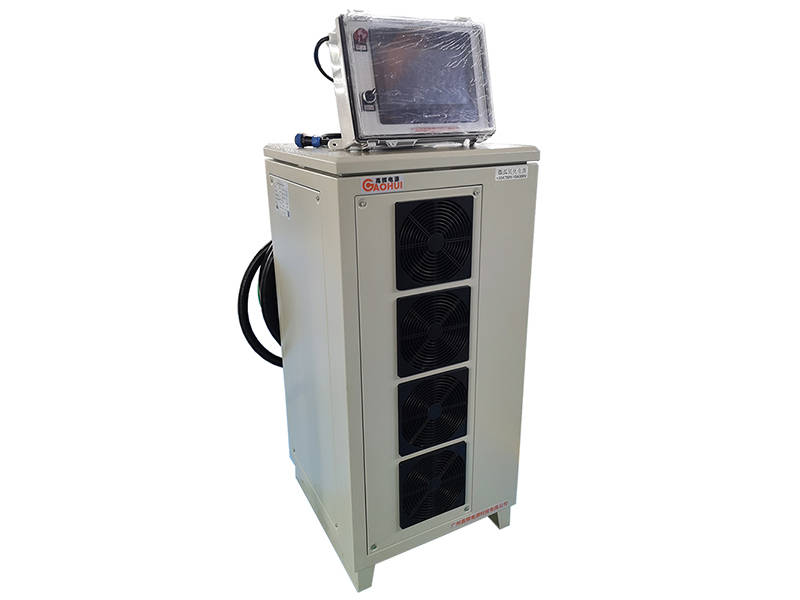
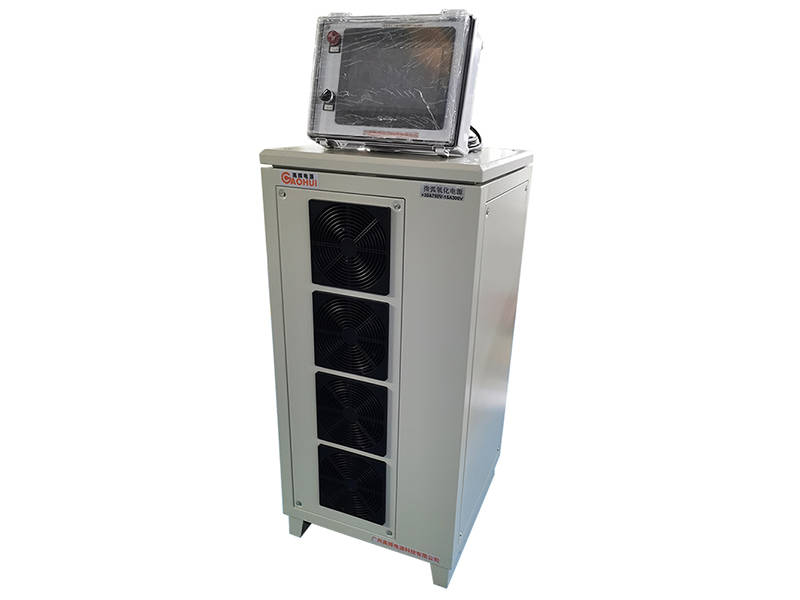
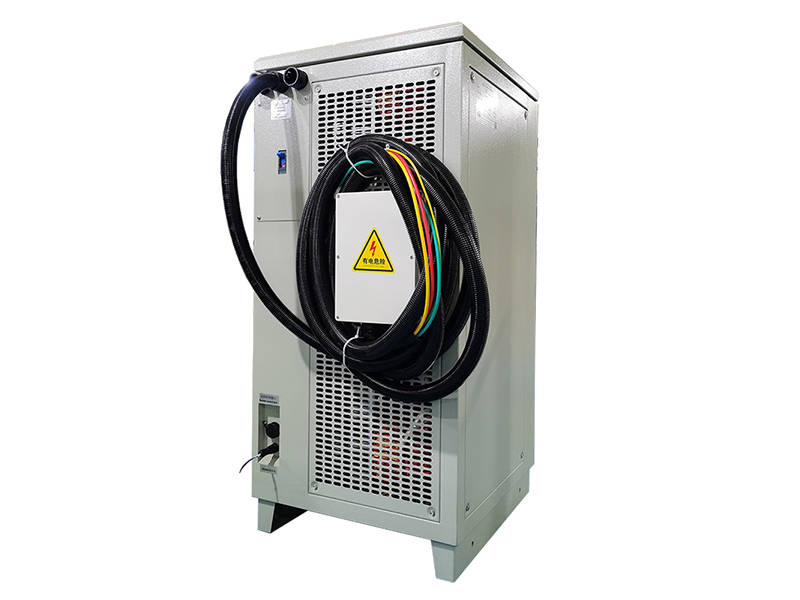
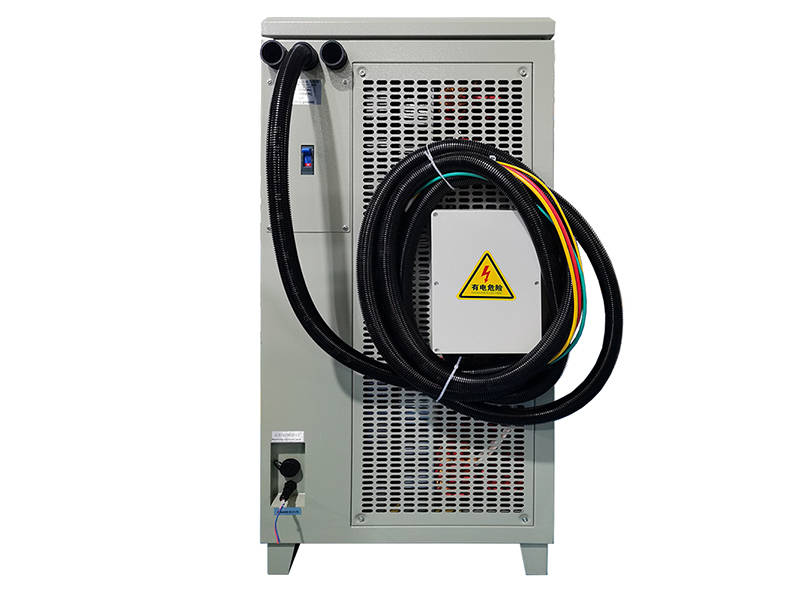
Output: 30A 750V / 15A 300V Dual Range
Mode: Dual-Pulse Operation
Cooling: Air cooled
Control: Touchscreen HMI with recipe storage
Accuracy: ≤ ±1%
Applications: MAO research, PEO coating development
Materials: Aluminum, magnesium, titanium alloys
Product Introduction of the MAO Dual-Pulse Rectifier
The MAO Dual-Pulse Rectifier delivers professional dual-output performance for micro-arc oxidation and PEO ceramic coating research. Notably, it offers two flexible ranges of 30A 750V and 15A 300V to adapt to a wide range of material tests. Furthermore, its dual-pulse architecture keeps discharge stable and controllable throughout the oxidation process. As a result, it creates uniform, dense, and wear-resistant ceramic layers on aluminum, magnesium, and titanium alloys. In addition, it lets you adjust parameters precisely so you can optimize coating structure and surface performance efficiently. For industry standards, you can reference ISO 21874 on the official ISO website. Meanwhile, the European Federation of Corrosion provides clear guidance on advanced surface treatments.
表格
| Parameter | Specification |
|---|---|
| Input Power | 380VAC Three-Phase, 50/60Hz |
| Output Range 1 | 0–750V / 0–30A |
| Output Range 2 | 0–300V / 0–15A |
| Pulse Mode | Dual-Pulse Operation |
| Pulse Frequency | 10–2000 Hz Adjustable |
| Duty Cycle | 5–80% Adjustable |
| Rise Time | < 50 µs |
| Control Accuracy | ≤ ±1% |
| Control Interface | Touchscreen HMI with Recipe Storage |
| Cooling System | Forced Air Cooling |
| Protections | Arc Detection, OVP, OCP, OTP, Short Circuit |
This unit runs two independent output ranges to support diverse experimental needs. Specifically, you can switch freely between high-power and low-power modes based on your material type. Consequently, you gain greater lab adaptability and faster research efficiency.
Dual-pulse output stabilizes arc reactions and reduces surface damage to your workpieces. Moreover, it boosts coating uniformity and strengthens adhesion on all lightweight alloys. Additionally, it cuts down defects to deliver consistently high-quality ceramic layers.
You can adjust frequency and duty cycle across a wide range to fine-tune energy output accurately. Specifically, you can optimize coating porosity, hardness, and thickness to match your application goals. Ultimately, this system produces systematic and reliable experimental results.
Forced air cooling lets the unit run continuously without extra water cooling systems. Accordingly, you simplify installation and reduce daily maintenance in any lab environment. Furthermore, it saves space and cuts operational costs for your research setup.
The rectifier holds control accuracy within ±1% even under dynamic loads to ensure repeatable tests. Besides, it includes built-in data recording and recipe storage to document every experiment fully. As such, you can compare and reproduce results with greater efficiency and consistency.
Primarily, this equipment develops high-performance coatings for aviation components. Additionally, it improves wear resistance and thermal stability in extreme working environments. Therefore, it plays a vital role in advancing aerospace material research.
In particular, you can use it to produce bioactive coatings for medical implants and dental devices. Importantly, it enhances biocompatibility and raises corrosion resistance effectively. As a result, you shorten the development cycle for new medical material solutions.
For automotive use, it optimizes surface coatings for aluminum and magnesium components. Likewise, it improves durability for engine and chassis parts significantly. Meanwhile, it supplies reliable data to support modern energy-efficient vehicle design.
In academic labs, it acts as an ideal platform to teach micro-arc oxidation and PEO principles. Furthermore, it supports graduate projects in material science and surface engineering. Thus, students gain professional hands-on experience quickly and effectively.
Dual output ranges allow one machine to run multiple coating experiments. As a result, you reduce equipment costs and improve lab resource usage. Besides, it matches different materials and process requirements perfectly.
Dual-pulse technology maintains consistent discharge and delivers high coating quality. Moreover, it reduces defects and performs reliably even on sensitive alloys. Therefore, it provides more credible and repeatable research data for your projects.
Its air-cooled design removes the need for complex water lines and extra equipment. In practice, you can install and operate it easily in any laboratory. Additionally, it runs safely and steadily for long working hours.
Recipe storage and data logging give you full traceability for every experiment. Accordingly, you raise research efficiency and improve formal documentation quality.