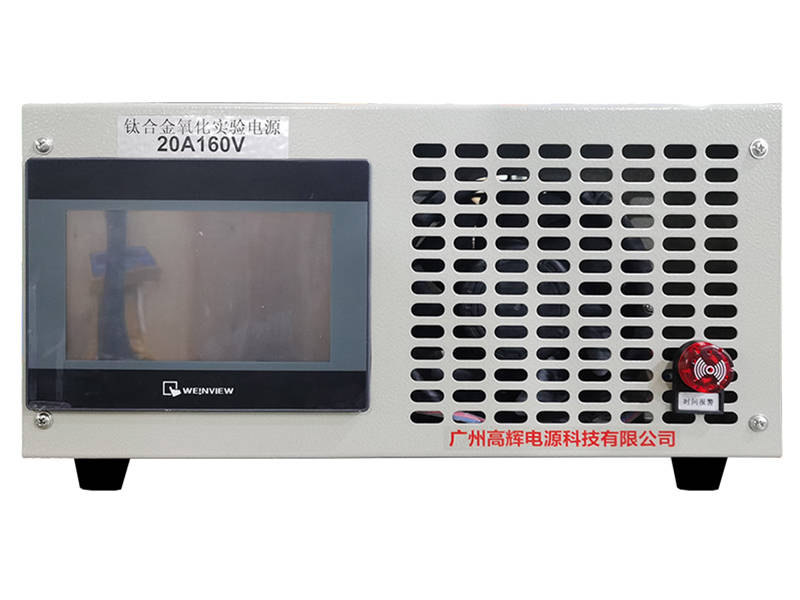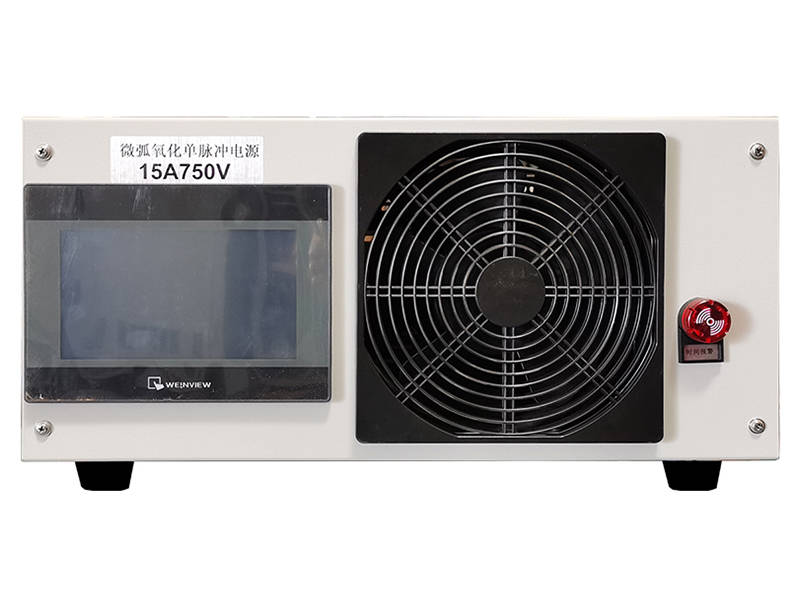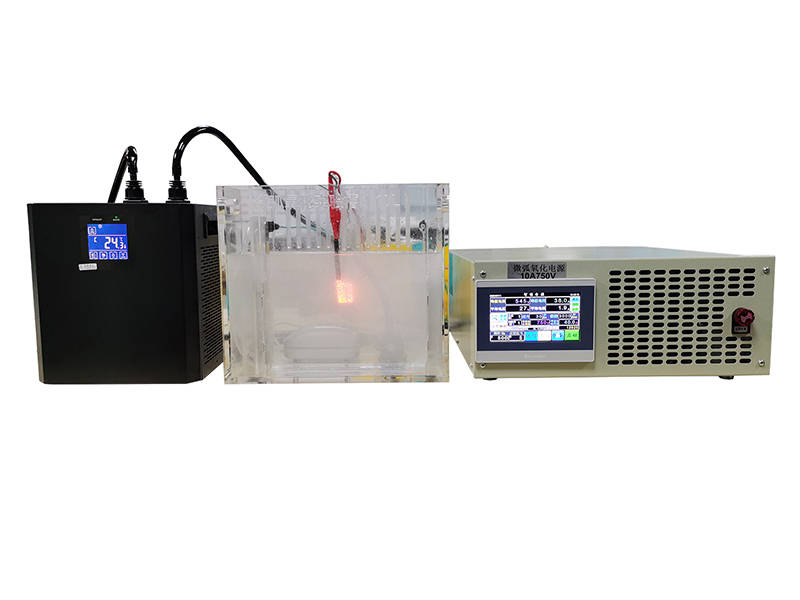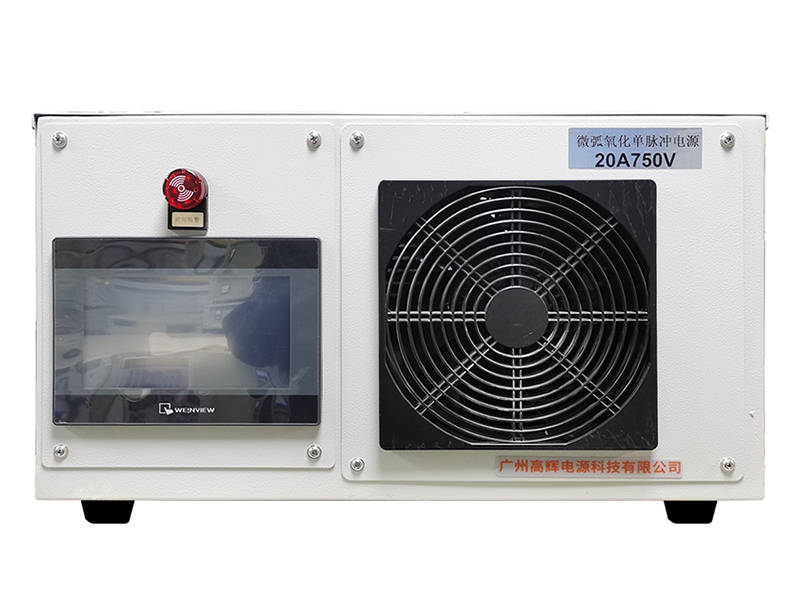
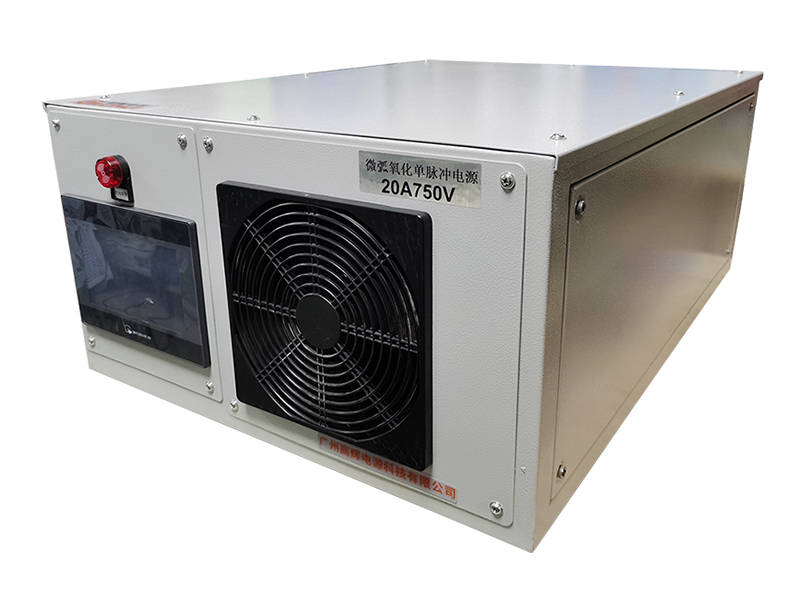
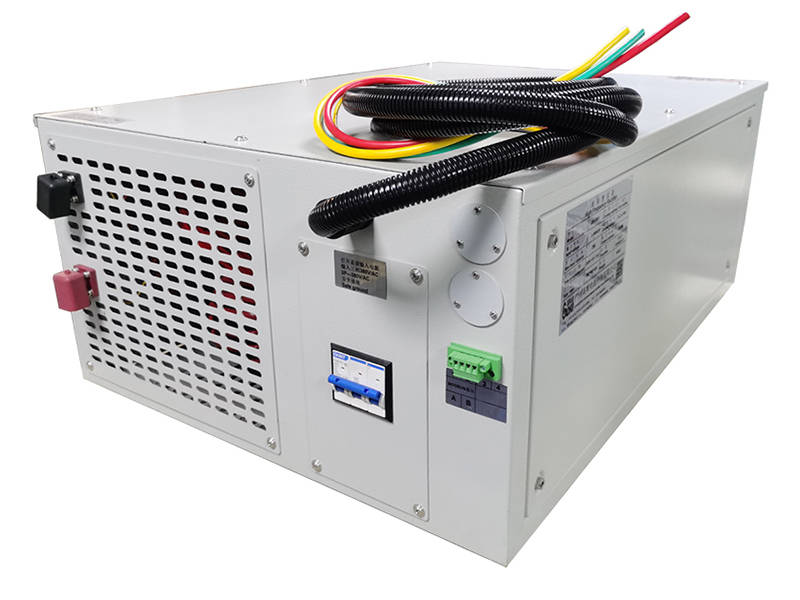
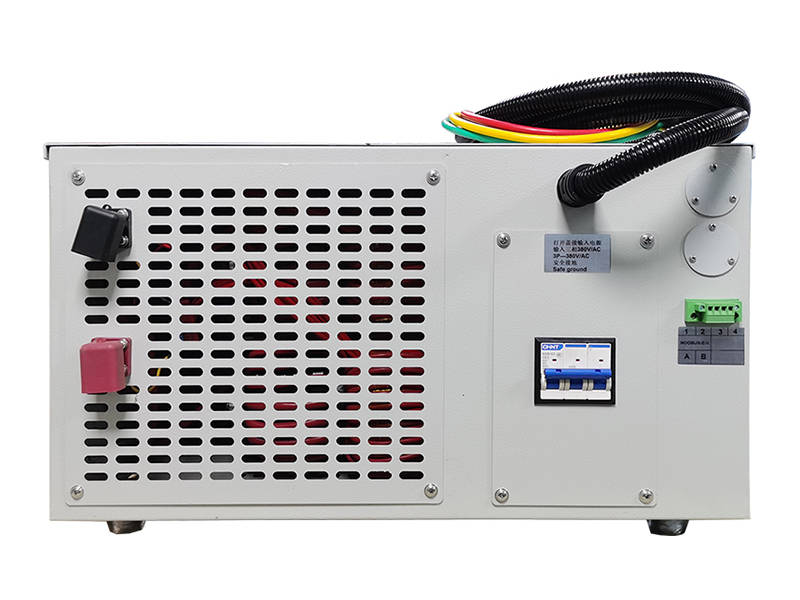
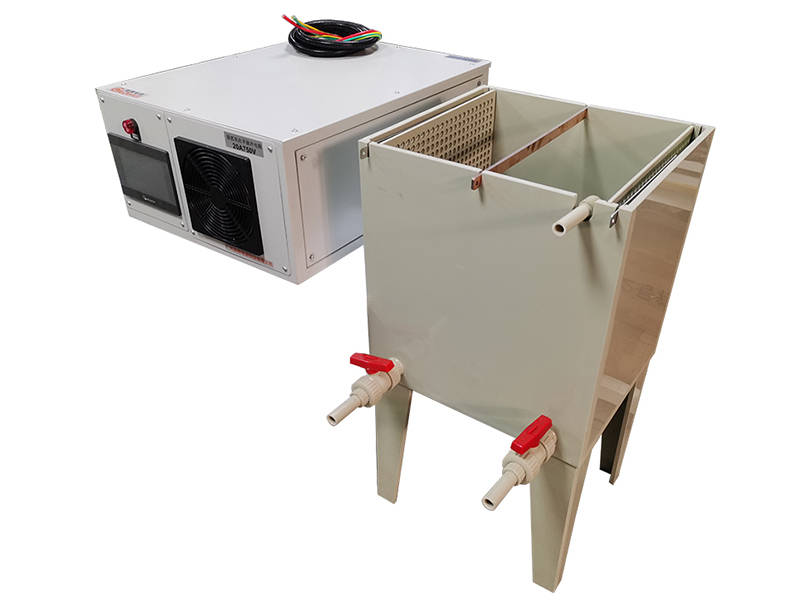
This MAO pulse rectifier is a precision power supply for ceramic coating R&D. It generates stable high-voltage pulses to support reliable micro-arc oxidation, while forming dense, wear-resistant ceramic layers on light metal alloys—including aluminum, magnesium and titanium. With fine parameter control, it enables accurate plasma electrolytic oxidation studies and ensures consistent control over coating microstructure and surface properties. For industry standards, you can refer to ISO 21874 on the official ISO website; additionally, the European Federation of Corrosion provides useful surface treatment resources on its official platform. For a deeper understanding of PEO technology, you can also refer to the comprehensive guide from DEK.
| Parameter | Specification |
|---|---|
| Input Power | 380VAC Three-Phase, 50/60Hz |
| DC Output | 0–750V / 0–20A |
| Pulse Mode | Single-Pulse Operation |
| Pulse Frequency | 10–2000 Hz Adjustable |
| Duty Cycle | 5–80% Adjustable |
| Rise Time | < 50 µs |
| Control Accuracy | ≤ ±1% |
| Control Interface | Touchscreen HMI with Recipe Storage |
| Cooling System | Forced Air Cooling |
| Protections | Arc Detection, OVP, OCP, OTP, Short Circuit |
This MAO pulse rectifier delivers stable pulses up to 750V for consistent plasma discharges. It supports the growth of thick, well-adhered ceramic coatings on light alloys, and it performs especially well on titanium and magnesium materials. Moreover, the high-voltage design ensures uniform and complete coating formation across workpieces.
Frequency and duty cycle are fully adjustable to fine-tune discharge energy. This allows precise control over coating porosity, roughness and growth rate; consequently, researchers can optimize parameters systematically for ideal surface performance. Additionally, it supports flexible testing for various coating development requirements.
The unit uses forced air cooling for steady long-term operation, and no water cooling system or pipelines are needed for daily use. This greatly simplifies installation in research and lab environments, while also reducing maintenance and lowering overall operating costs.
This MAO pulse rectifier offers control accuracy within ±1% for stable tests, and its fast response ensures repeatable and reliable experimental results. Furthermore, built-in data logging supports complete experiment recording and analysis, while recipe storage further improves process traceability for scientific research.
This MAO pulse rectifier supports high-performance coating development for aerospace parts. It helps test coating adhesion, wear resistance and thermal stability effectively, and it improves the durability of lightweight alloys in harsh service environments. In addition, it plays a key role in advanced aviation material research projects.
It enables the preparation of bioactive ceramic coatings for medical implants and supports the development of antibacterial surfaces for orthopedic and dental devices. Optimized pulse parameters help enhance biocompatibility and corrosion resistance, which significantly shortens the research cycle for new implant technologies.
The MAO pulse rectifier supports coating studies on aluminum and magnesium components, helping develop wear-resistant surfaces for engine and chassis parts. It validates lightweight material solutions for modern high-efficiency vehicles and provides reliable data for automotive material innovation.
It serves as an ideal teaching tool for MAO and PEO process demonstrations and supports graduate research in surface engineering and material science. Students gain hands-on experience with advanced ceramic coating technology, which improves both teaching quality and research efficiency in labs.
With 750V output, it processes aluminum, magnesium and titanium alloys, and one machine meets diverse material research needs in different projects. Furthermore, it offers high versatility for multi-material experimental programs.
Adjustable voltage, frequency and duty cycle support in-depth studies, allowing researchers to independently test parameters to analyze coating formation. Additionally, it adapts smoothly to a wide range of research objectives.
No water connections make installation quick and straightforward, and it fits well in compact lab spaces with minimal infrastructure. As a result, daily operation and maintenance become simple and efficient.
Recipe storage and data logging ensure reproducible experiments, and full process documentation improves research reliability and efficiency. For further assistance, contact our technical support team for professional application guidance.