

Dynamic Composite Pulse Power Supply for Precision Plating
The composite dual‑pulse power supply is a high‑end precision unit. It serves sophisticated electroplating and industrial surface‑finishing workflows. Unlike older dual‑pulse devices with fixed waveforms, this model uses composite pulse superposition technology. Furthermore, it generates flexible multi‑mode dynamic pulse output. Operators can adjust forward pulse, reverse pulse, dwell time and duty cycle independently. In turn, full‑parameter customization supports diverse, complex plating tasks for different workpieces.
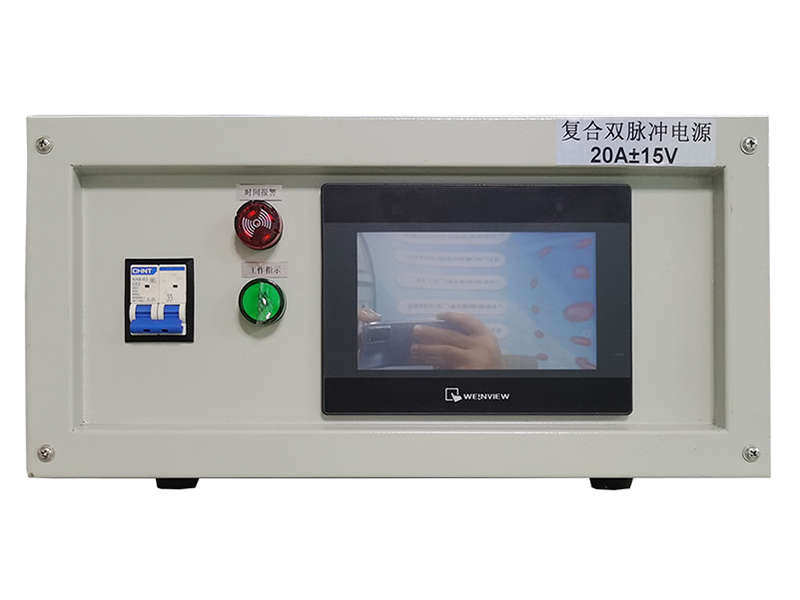
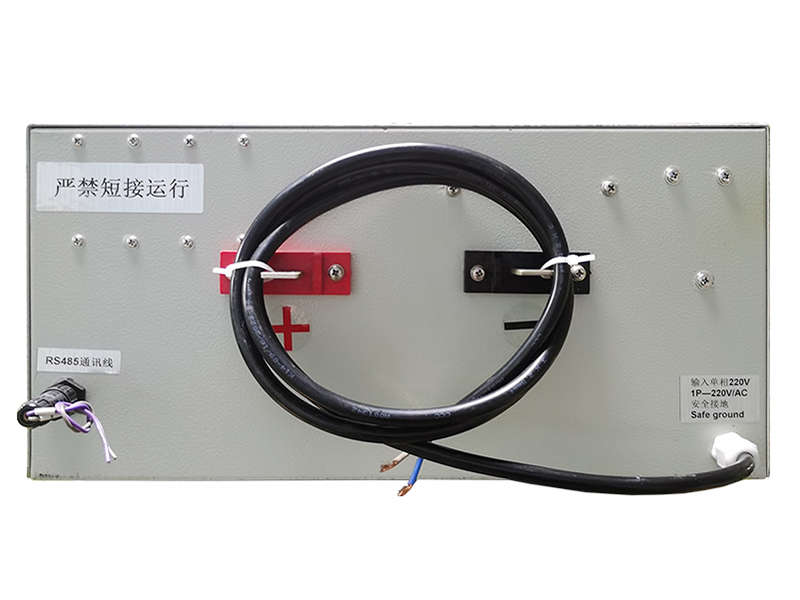
Optimized Coating Quality & Cost Efficiency of Dynamic Composite Pulse Power Supply
Precision electroplating often faces obvious production pain points. Disordered grain growth and uneven coating thickness will lower product yield and surface quality. Fortunately, the composite dual‑pulse power supply addresses these practical issues. It refines metal crystallization and spreads metal ions evenly over workpiece surfaces. Consequently, it builds denser, low‑porosity coatings with strong adhesion. Besides, it cuts precious‑metal waste and reduces long‑run manufacturing costs.
Industrial‑Grade Durability & Stable Operation
Built to adapt to harsh corrosive workshop environments, the composite dual‑pulse power supply adopts a fully sealed anti‑corrosion cabinet structure to resist chemical vapor and dust erosion. Equipped with complete multi‑level safety protection modules, it triggers instant power cutoff under overheat, overload, short‑circuit and voltage abnormality conditions to protect equipment and workpieces. Its optimized modular structure simplifies daily installation, inspection and maintenance, perfectly supporting long‑term continuous batch production and high‑precision laboratory testing.
Reliable Solution for High‑Standard Electroplating
Traditional plating power supplies have clear limits on precision and process compatibility. On the other hand, the composite dual‑pulse power supply removes these barriers. It improves plating uniformity and surface finish. It also lifts overall production efficiency and reduces defect rates. Above all, it delivers solid stability and flexible parameter settings. Thus, it acts as a cost‑effective power choice for high‑end electroplating and surface‑finishing manufacturers.