

Core Function of Electrolytic Degreasing Rectifier
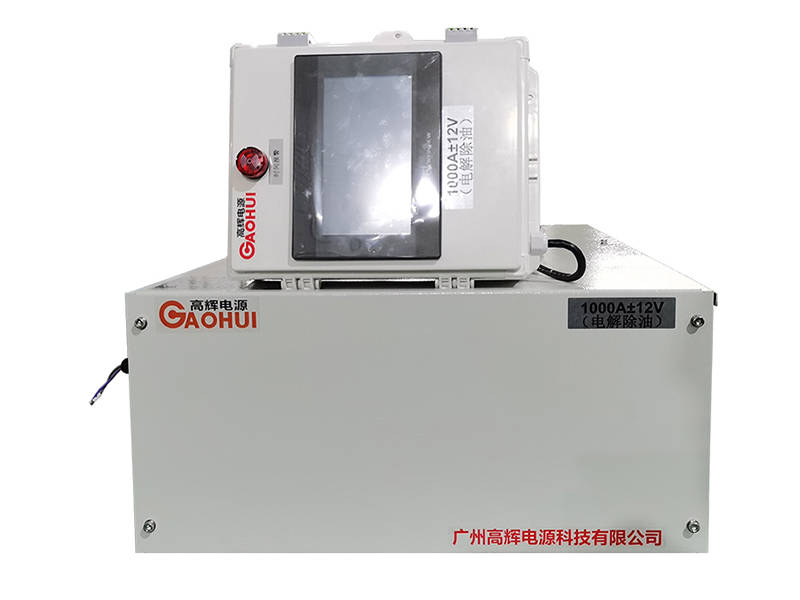
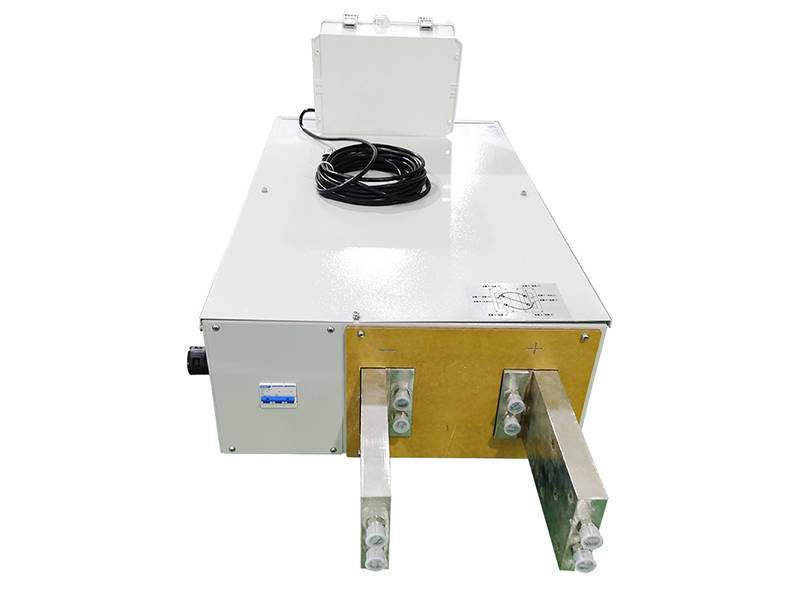
The electrolytic degreasing rectifier converts AC mains into adjustable DC current for electrolytic metal degreasing. In fact this rectifier acts as core equipment on electroplating pretreatment lines. It triggers electrochemical reactions to lift grease and dirt off metal workpiece surfaces. As a result clean metal surfaces improve adhesion for subsequent plating or coating layers.
Precise Current and Voltage Adjustment
Different workpiece sizes and metal types require matched power settings. Therefore this electrolytic degreasing rectifier supports flexible parameter tuning. It maintains low ripple DC output during continuous long shifts. Furthermore steady power avoids incomplete degreasing on complex shaped parts. For this reason factories can keep uniform surface quality across production batches.
Multi Layer Protection for Corrosive Workshop Conditions
Electrolytic degreasing tanks create humid alkaline vapor environments. Meanwhile this rectifier comes with built in multi protection controls. It automatically cuts power when overcurrent overvoltage or overheating occurs. Besides its sealed cabinet reduces corrosion from workshop chemical fumes. Thus operators can run the unit reliably for extended production cycles.
Air Cooled and Water Cooled Cooling Options of Electrolytic Degreasing Rectifier
We supply two cooling types to fit different factory layouts. Specifically air cooled rectifiers suit small and medium batch pretreatment lines. On the other hand water cooled models handle heavy duty continuous mass production. In addition output current and voltage can be customized to match bath requirements. What is more the rectifier can connect to PLC systems for remote monitoring.
Wide Industrial Application Range
This electrolytic degreasing rectifier works for steel aluminum copper and alloy pretreatment. For example hardware workshops auto parts factories and electroplating plants adopt this unit. Moreover it fits new production lines and old equipment upgrade projects. Ultimately it lowers reject rates caused by poor surface cleaning before plating. It also helps factories save energy and reduce overall production costs.