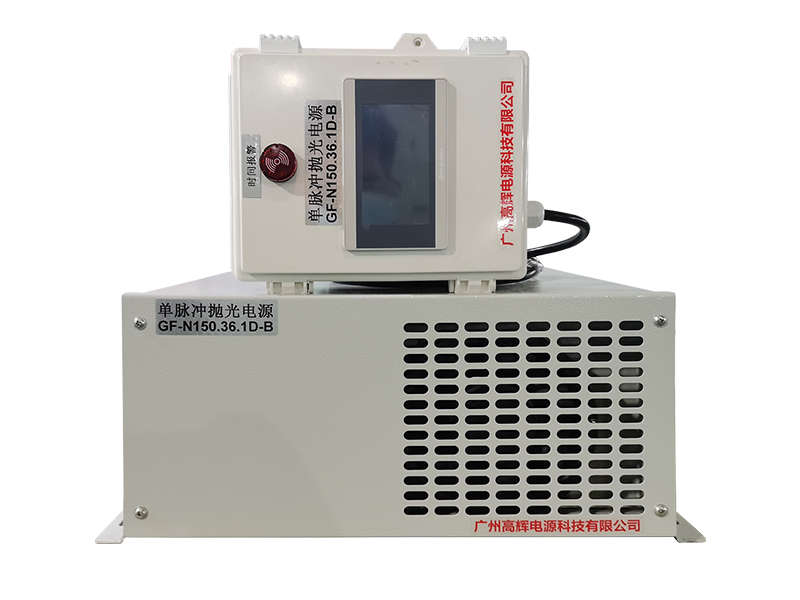
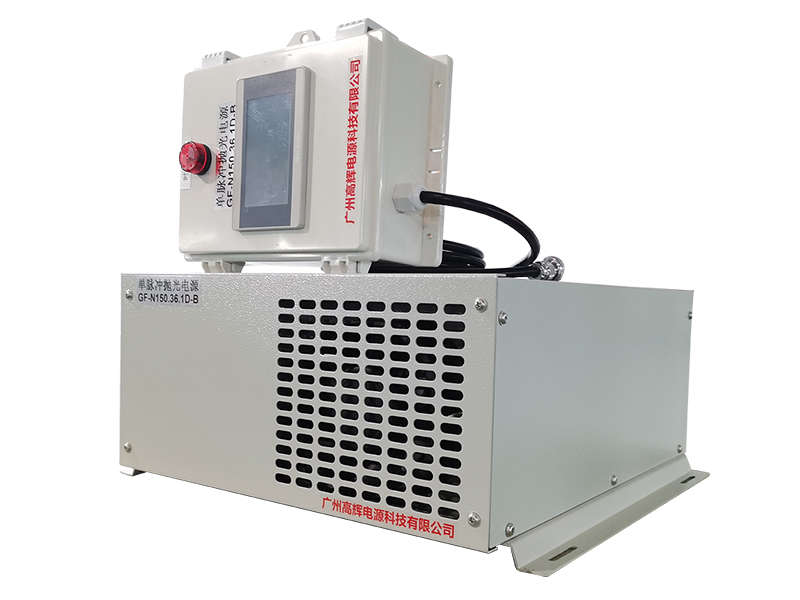
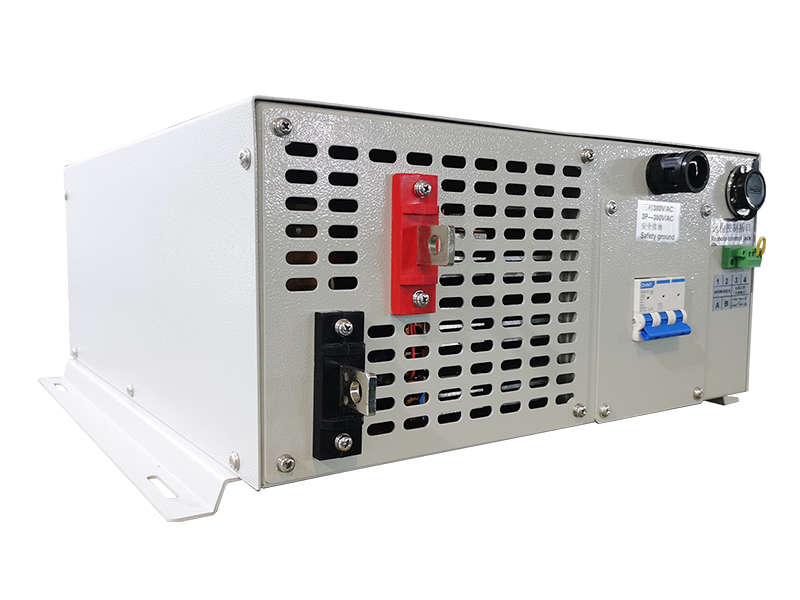
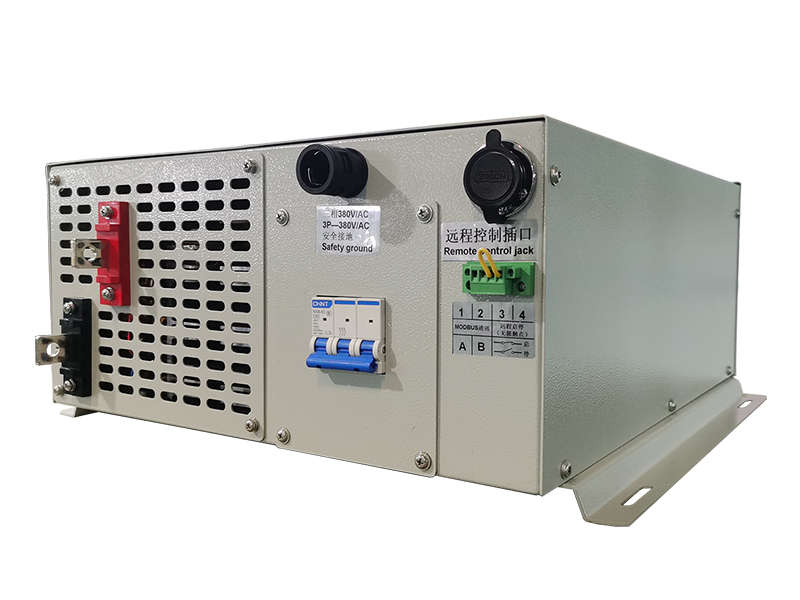
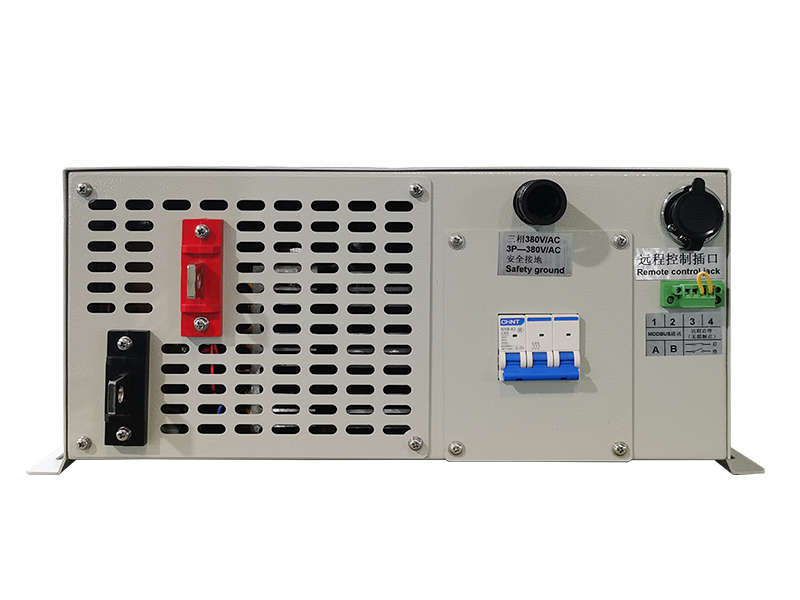
Output 0-36V DC 0-150A (Single Pulse)
Power 5.4kW
Application Pulse Electropolishing & Deburring
Best For Medical Instruments Aerospace Components Precision Parts Surface Finishing
This single pulse polishing rectifier delivers precisely controlled pulsed DC power. It enables advanced electropolishing and electrochemical deburring processes. Consequently, superior surface finishes are achieved with minimal material removal.
Parameter Specification
Input Power 380VAC Three-Phase
DC Output 0-36V DC 0-150A (Pulse Mode)
Pulse Frequency 1-500 Hz Adjustable
Pulse Width 0.1-10 ms Adjustable
Peak Current 150A (Programmable)
Control Interface Digital Touchscreen with Process Presets
Special Features Pulse Shaping Burr Detection Adaptive Polishing
Cooling System Air Cooling
Protections OCP OVP OTP Pulse Fault Detection
Precise Pulse Control
This single pulse polishing rectifier offers adjustable parameters. Therefore, polishing intensity is finely tuned. Moreover, surface quality improves consistently.
Minimal Material Removal
Pulsed operation limits dissolution. Specifically, peaks are selectively removed. Thus, dimensional accuracy is maintained.
Superior Surface Quality
Controlled pulses produce smooth finishes. Furthermore, micro-defects are eliminated. Consequently, part performance enhances.
Adaptive Process Capability
The system adjusts to part geometry. Additionally, it compensates for variations. Hence, consistent results are achieved.
This pulse polishing rectifier serves precision finishing applications.
In Medical Device Manufacturing
The system polishes surgical instruments. Importantly, smooth surfaces prevent bacterial adhesion. Additionally, sterilization effectiveness increases.
For Aerospace Components
It finishes turbine blades and structural parts. Similarly, fatigue resistance improves. Consequently, component lifespan extends.
In Precision Machining
The rectifier deburrs complex geometries. Ultimately, manual finishing is reduced. Therefore, production efficiency rises.
For High-Value Components
It polishes molds and tooling. Specifically, surface quality affects product appearance. Thus, final product value increases.
Production quality improves with consistent finishes. Moreover, rejection rates decrease significantly. Consequently, operational costs reduce.
Process efficiency increases through automation. Furthermore, manual polishing time decreases. Therefore, labor requirements optimize.
Material savings result from controlled removal. Additionally, part dimensions are preserved. Thus, material utilization improves.
Flexibility accommodates diverse parts. Specifically, adjustable parameters suit various materials. Hence, production versatility expands.
In summary, this single pulse polishing rectifier provides advanced finishing solutions. For this reason, it serves industries where surface quality, precision, and process control are essential requirements for superior product performance.