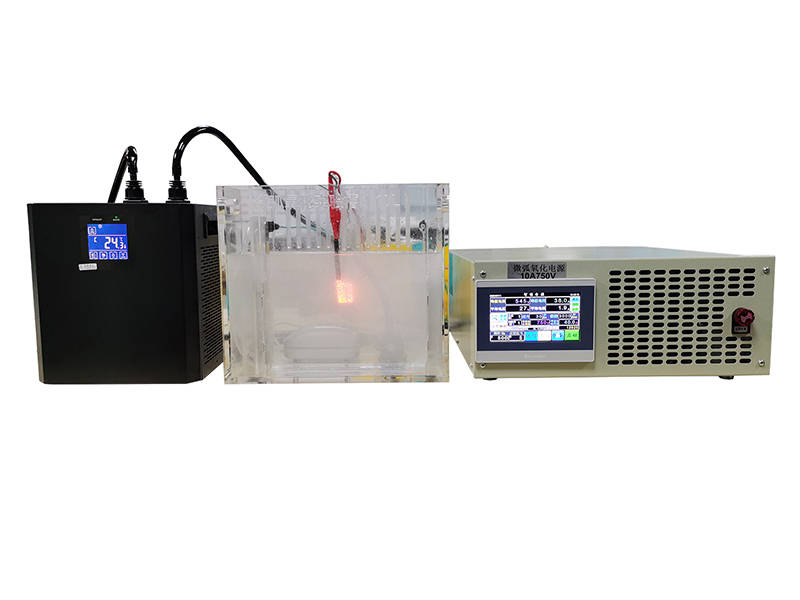
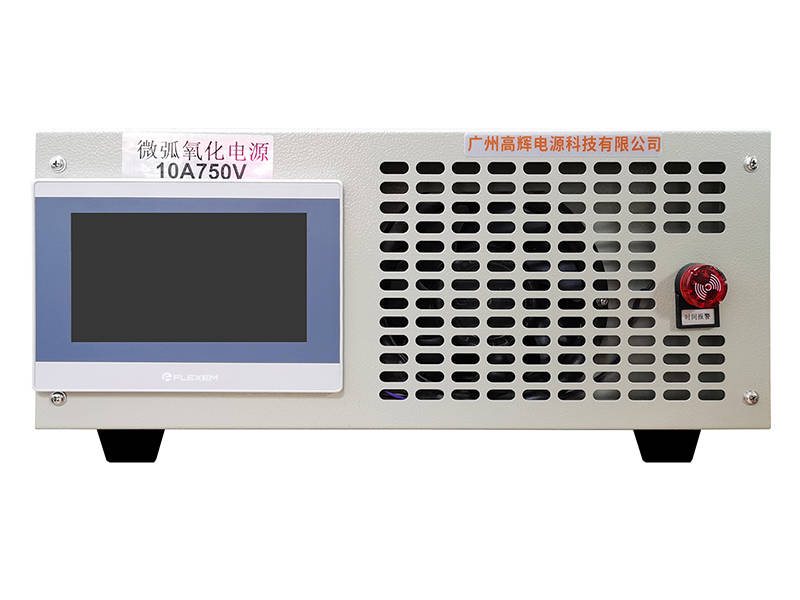
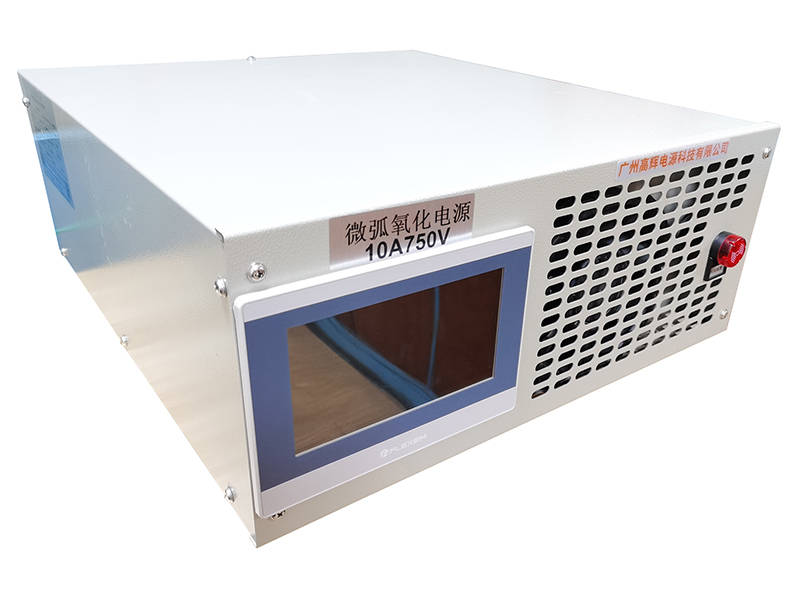
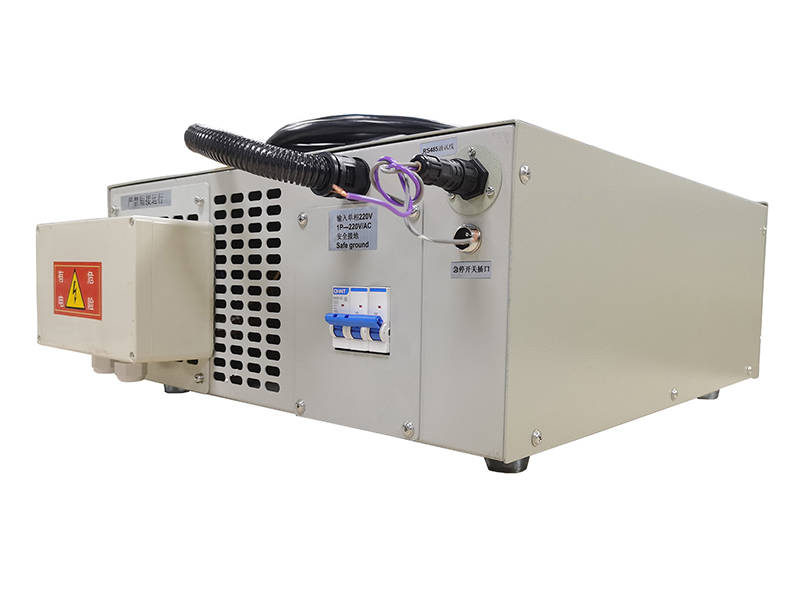
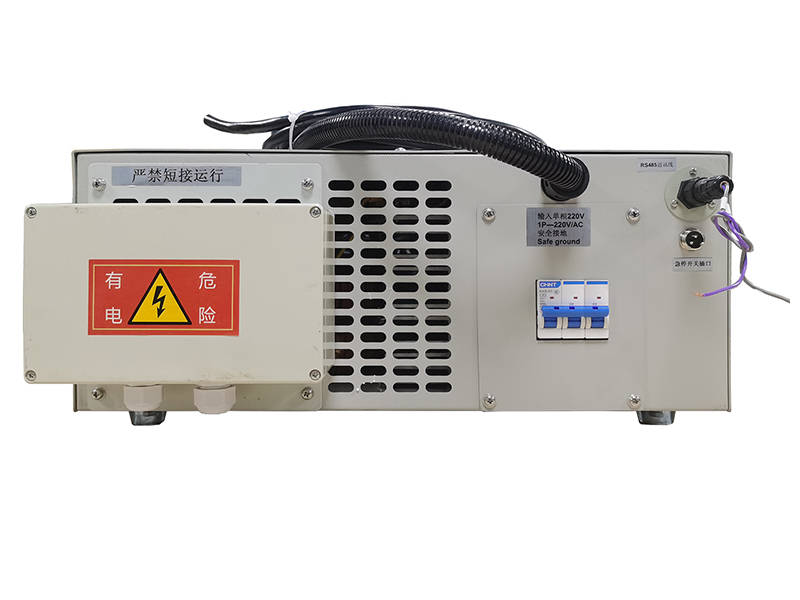
The 10L MAO experimental equipment is a compact laboratory system for micro-arc oxidation research, integrating reaction tank, power supply, cooling, and agitation into a single platform for precise ceramic coating development on aluminum, magnesium, and titanium alloys.
The 10L MAO experimental equipment delivers a complete laboratory-scale solution for micro-arc oxidation research and development. Specifically, this MAO experimental equipment is designed for producing ceramic coatings on aluminum, magnesium, and titanium alloys. Consequently, it enables researchers to investigate PEO processes with precise control over electrical parameters, electrolyte conditions, and coating properties. Furthermore, this compact system supports reproducible experiments for academic and industrial R&D applications.
For industry standards, refer to the ASTM B275-15 Standard Practice for coating specifications. Additionally, technical resources from the Society of Vacuum Coaters provide valuable insights on advanced surface treatment processes.
| Parameter | Specification |
|---|---|
| Tank Volume | 10 Liters (Stainless Steel with Cooling Jacket) |
| Workpiece Size | Up to 150mm x 100mm |
| Power Supply | 0-750V / 0-30A Unipolar/Bipolar Pulse |
| Pulse Frequency | 10-3000 Hz Adjustable |
| Duty Cycle | 5-95% Adjustable |
| Cooling System | Recirculating Chiller with Temperature Control |
| Electrolyte Agitation | Magnetic Pump with Flow Control |
| Control Interface | Touchscreen HMI with Data Logging |
| Safety Features | Emergency Stop, Interlock, Overheat Protection |
| Power | 380VAC Three-Phase, 50/60Hz |
Complete Laboratory System: Firstly, this MAO experimental equipment integrates all essential components in a compact design. Specifically, it includes the reaction tank, power supply, cooling system, and agitation unit. Therefore, researchers can begin experiments immediately without additional setup. Furthermore, the system is pre-configured for optimal PEO processing.
Precision Power Control: Secondly, the integrated power supply offers adjustable voltage, current, frequency, and duty cycle. Specifically, it supports both unipolar and bipolar pulse modes. Therefore, this MAO experimental equipment enables comprehensive process parameter studies. Additionally, it facilitates coating property optimization for different material systems.
Active Temperature Management: Moreover, the recirculating chiller maintains precise electrolyte temperature control. Specifically, it supports the low-temperature conditions often required for high-quality ceramic coatings. Therefore, this MAO experimental equipment ensures process stability and reproducibility. Furthermore, it prevents thermal damage to both the coating and the equipment.
Real-Time Data Acquisition: Additionally, the touchscreen HMI provides real-time monitoring of voltage, current, power, and temperature. Specifically, it logs data for post-experiment analysis. Therefore, researchers can document and reproduce experimental conditions with confidence. Thus, this MAO experimental equipment supports rigorous scientific investigation.
This MAO experimental equipment is ideal for a wide range of research applications. These include, for example:
In Materials Science Research, it enables systematic study of coating formation mechanisms. Specifically, researchers investigate the effects of electrical parameters on coating microstructure, phase composition, and properties. Additionally, they explore new electrolyte formulations.
For Coating Development, this MAO experimental equipment allows optimization of coating properties for specific applications. Specifically, it supports development of wear-resistant, corrosion-resistant, and bioactive coatings. Furthermore, it enables parameter screening for industrial scale-up.
In Academic Laboratories, it serves as a teaching tool for demonstrating PEO principles. Additionally, it supports graduate student research projects. Thus, this MAO experimental equipment bridges theory and practice.
For Industrial R&D, it provides a reliable platform for process development. Specifically, it allows engineers to validate coating formulations before production. Therefore, it reduces risk and accelerates technology transfer.
Compact Footprint: Firstly, the 10L tank size is ideal for benchtop installation. Therefore, it fits easily in laboratory environments. Additionally, it requires minimal floor space.
Quick Setup: Secondly, the integrated design eliminates the need for custom component assembly. Specifically, researchers can focus on experiments rather than equipment configuration. Thus, this MAO experimental equipment increases productivity.
Reproducible Results: Moreover, precise control over all process parameters ensures consistent outcomes. Specifically, data logging supports thorough analysis and documentation. Therefore, researchers can trust their experimental results.
Versatile Material Support: Finally, the system handles aluminum, magnesium, titanium, and their alloys. Specifically, it supports a wide range of substrate sizes and geometries. Thus, this equipment accommodates diverse research needs.
Complete Solution: Firstly, the system includes everything needed for MAO research. Therefore, researchers avoid the complexity of assembling separate components. Additionally, it reduces compatibility issues.
Precision Control: Secondly, the integrated power supply delivers laboratory-grade accuracy. Specifically, it enables precise parameter adjustment. Thus, this equipment supports rigorous scientific investigation.
Active Cooling: Moreover, the recirculating chiller maintains stable process conditions. Specifically, it supports extended experimental runs. Therefore, researchers can conduct long-duration coating studies.
Data Logging: Finally, integrated data recording supports thorough documentation. Specifically, researchers can export data for analysis. Thus, this equipment facilitates publication-ready results.