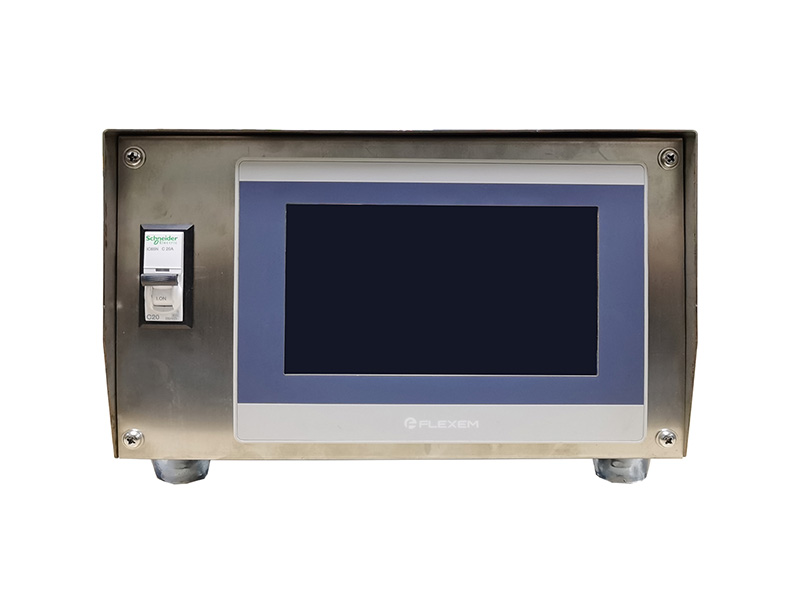
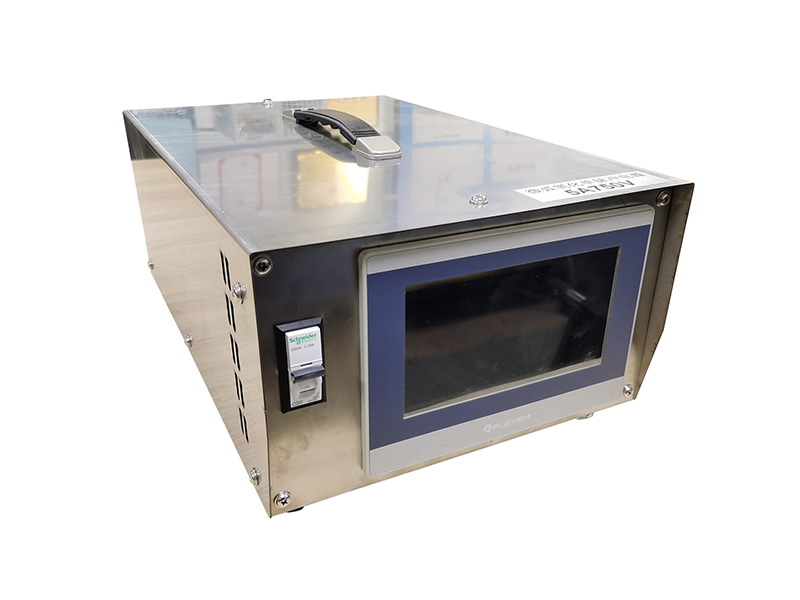
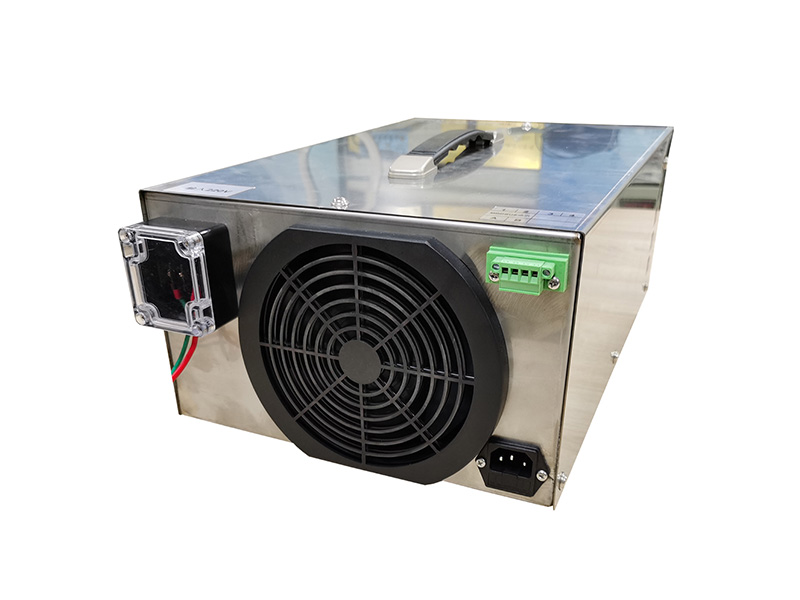
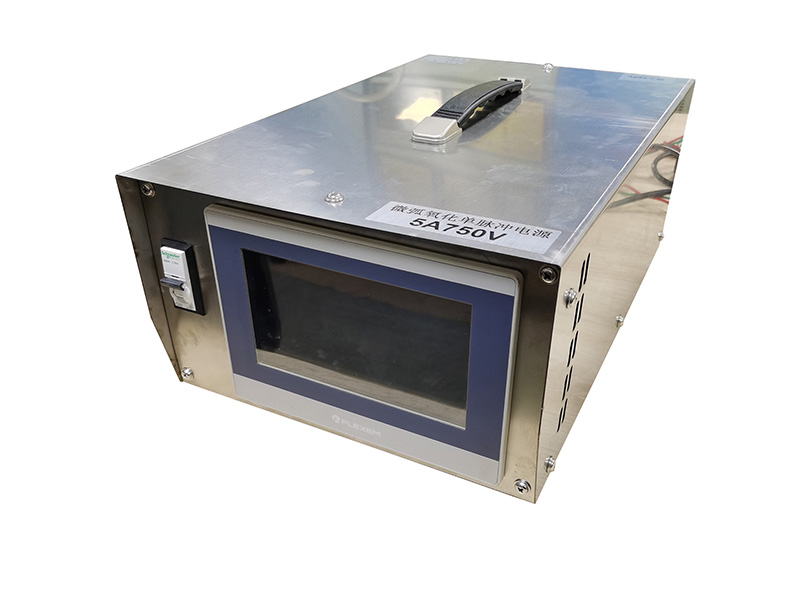
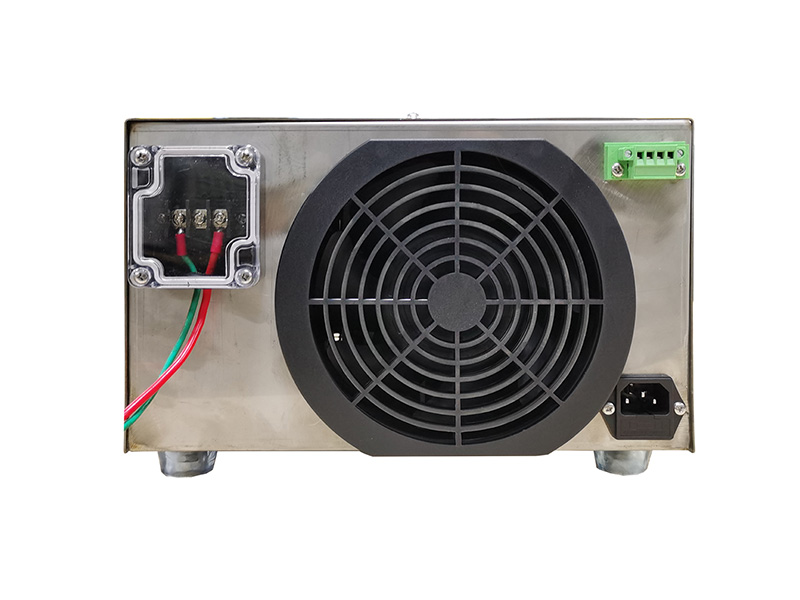
Built for material laboratories and small‑batch specimen processing, this lab‑grade micro‑arc oxidation rectifier delivers accurate high‑voltage pulsed power to complete micro‑arc oxidation surface treatment for lightweight alloy samples.
Lab‑Grade Micro‑Arc Oxidation Rectifier targets laboratory‑scale PEO and micro‑arc oxidation research that demands fine‑tunable high‑voltage output. In particular, university labs and material‑development institutes frequently run tests on small‑size aluminum, magnesium and titanium alloy specimens to build compact ceramic protective coatings. Even so, many general‑purpose rectifiers fail to maintain stable pulse parameters under high‑voltage MAO working conditions; accordingly, unstable electrical signals bring inconsistent coating quality and unreliable experimental data for material researchers.
Rated for 5A 750V working status, this lab‑grade micro‑arc oxidation rectifier adopts high‑frequency IGBT pulse conversion architecture tailored for small‑specimen oxidation workflows. It supports independent adjustment for pulse frequency, duty cycle and positive‑negative output parameters, so operators can iterate different MAO process recipes without switching hardware equipment. After lab technicians finish wiring and electrolyte cell setup, researchers modify running parameters through the local touch‑screen panel to match diverse alloy materials and expected coating performance. Furthermore, built‑in over‑voltage and arc‑suppression protection responds rapidly when spark discharge anomalies occur, and this safeguard protects both test samples and internal circuit components during long‑time experimental cycles.
This lab‑grade micro‑arc oxidation rectifier applies compact IGBT high‑frequency conversion technology, and its overall working efficiency stays above 90% under typical laboratory test loads. Meanwhile, unlike bulky industrial‑scale MAO equipment, this bench‑top model concentrates on small‑specimen processing, and it avoids excessive power waste for low‑current lab‑scale trials.
Fast‑response closed‑loop feedback compensates impedance changes while oxidation films grow on alloy surfaces. As a result, test‑piece coatings show fewer uneven‑thickness defects, and experimental groups obtain more comparable test data across repeated runs. Besides, internal recipe storage saves dozens of parameter groups, and researchers can recall mature process settings in seconds without manual reset every time.
Apart from that, optimised for high‑voltage low‑current MAO scenarios, the internal power circuit lowers output ripple effectively. Hence, it supplies qualified pulsed energy to generate dense ceramic oxide layers on aluminum, magnesium and titanium‑alloy test samples.
| Parameter Category | Specific Item | Specification |
|---|---|---|
| Input Parameters | AC Input Power Supply | Three‑phase AC 380V, ±10% tolerance, 50‑60Hz |
| DC Output Parameters | Output Voltage Range | 0‑750V adjustable |
| DC Output Parameters | Output Current Range | 0‑5A adjustable |
| DC Output Parameters | Rated Total Output Power | 3.75kW |
| DC Output Parameters | Voltage Regulation Accuracy | ≤1% |
| DC Output Parameters | Current Regulation Accuracy | ≤1% |
| DC Output Parameters | Ripple Factor | ≤1% |
| Control and Automation Functions | Operating Modes | Constant Current, Constant Voltage, adjustable positive‑negative pulse mode |
| Control and Automation Functions | Pulse Settings | Frequency 100‑3000Hz, duty cycle 5‑100% stepless adjustable |
| Control and Automation Functions | Auxiliary Hardware | Touch‑screen HMI, multi‑group recipe storage, experimental‑data log recorder |
| Control and Automation Functions | Programming Features | Parameter recall, output limit lock, historical alarm storage |
| Physical and Communication Parameters | Cooling Method | Air‑cooled |
| Physical and Communication Parameters | Protection Class | IP20 for indoor laboratory environment |
| Physical and Communication Parameters | Communication Interface | RS485 Modbus RTU |
| Physical and Communication Parameters | Operating Efficiency | Above 90% |
The product comes with a one‑year warranty and boasts a service life of over 10 years. It supports both Constant Current and Constant Voltage modes, and it also includes a programmable ramp‑up function for current or voltage settings. For time‑sensitive applications, you can use the timed operation mode. Moreover, the multi‑segment function allows you to vary constant current or voltage levels over time. The device further offers an RS485 communication interface, automatic polarity reversal, and a minute‑level timing function. If you need customization, please contact us for further details.
This lab‑grade micro‑arc oxidation rectifier fits material‑science laboratory research, small‑specimen PEO treatment and new‑formula process exploration. For instance, it conducts surface‑coating experiments for aluminum‑alloy, magnesium‑alloy and titanium‑alloy small samples used in aerospace prototype evaluation, biomedical‑material research and new‑surface‑technology verification work.
Besides, it acts as core power hardware for university material labs and corporate R&D departments focused on lightweight‑metal surface modification. Beyond repeated experimental assignments, it also supports process‑parameter screening and coating‑performance comparative testing, delivering reliable runtime records for academic papers and internal technical reports.
We focus on developing and producing lab‑oriented high‑voltage rectifier systems built for precise material‑research working conditions. To begin with, each complete unit passes strict high‑voltage ageing and pulse‑stability testing before shipment, so it guarantees consistent 5A 750V pulsed output for repeated laboratory‑experiment cycles.
Moreover, we deliver custom adjustments covering pulse‑parameter range, HMI interface layout and communication protocols to satisfy diverse laboratory‑test requirements. Backed by full‑lifecycle services including remote technical guidance, parameter‑debugging support and stable spare‑parts provision, we supply trustworthy high‑voltage rectifier solutions for your material‑research laboratory projects.
A: Products with the same nominal specifications often serve different industries, and they may carry different detailed parameter requirements. These differences directly affect production costs and technical solutions, so final prices will vary accordingly. For this reason, we recommend you contact us directly to receive a precise and tailored quotation.
A: We assign specialized consultants to support each industry sector. If you need further information, simply reach out to us. After we confirm your request, we will immediately send you the full technical datasheets and product images you need.
A: We focus on custom non-standard industrial power supplies, so we can fully adjust output current and voltage to match your exact needs. The products shown on our website only represent part of our actual range, as we do not list every model online. If you cannot find your desired specifications, please contact us directly. We will work with you to confirm your exact requirements, or we can guide you to select the most suitable parameters based on your industry standards. We will provide complete technical specifications and dimension drawings so you can fully understand the product.