Output: 0-24V DC / 0-200A Adjustable
Power: 4.8kW
Application: Industrial Electrocoagulation Wastewater Treatment
Best For: Heavy Metal Removal, Oil-Water Separation, Textile Dye Wastewater, Food Processing Effluent
This 200A 24V Electrocoagulation Rectifier is a professional industrial DC power supply specially developed for electrolytic water treatment and purification. It effectively solves unstable current, low reaction efficiency and inconsistent performance during long-term continuous operation. As a mainly customized product, the 200A 24V Electrocoagulation Rectifier adapts to different water quality and process conditions, providing stable and reliable power support for various industrial water treatment systems.
The 200A 24V Electrocoagulation Rectifier adopts advanced high-frequency switching technology and high-quality components to ensure outstanding performance and long service life. It features ultra-low ripple current that significantly improves electrolysis efficiency and water treatment effect. Optimized cooling structure allows the 200A 24V Electrocoagulation Rectifier to run continuously under heavy loads without overheating. As a customization-oriented product, this 200A 24V Electrocoagulation Rectifier supports tailored parameters, control modes and interfaces to meet special project requirements. It is also easy to operate and maintain, making it highly suitable for long-running industrial water treatment sites.
| Series | Model | Output Current (A) | Output Voltage (V) | Input Voltage (V) | Weight (kg) | W×L×H (mm) |
|---|---|---|---|---|---|---|
| 20 | GH2018 | 20 | 18 | 220 | 10 | 275×360×160 |
| 50 | GH5036 | 50 | 36 | 220 | 11 | 325×380×200 |
| 100 | GH10036 | 100 | 12/24/36 | 220 | 24 | 450×500×230 |
| 200 | GH20036 | 200 | 24/36 | 380 | 36 | 450×500×230 |
| 300 | GH30036 | 300 | 12/24/36 | 380 | 36 | 510×560×230 |
| 500 | GH50036 | 500 | 12/18/24/36 | 380 | 85 | 510×580×690 |
| 600 | GH60015 | 600 | 15 | 380 | 81 | 510×580×690 |
| 800 | GH80030 | 800 | 30 | 380 | 79 | 510×580×690 |
| 1000 | GH100036 | 1000 | 10/12/24/36 | 380 | 80 | 510×580×690 |
| 2000 | GH200060 | 2000 | 10/20/24/30/36 | 380 | 296 | 580×650×1620 |
| 3000 | GH300024 | 3000 | 12/15/18/24 | 380 | 262 | 510×580×1160 |
| 4000 | GH400024 | 4000 | 24 | 380 | 177 | 510×580×1160 |
| 5000 | GH500010 | 5000 | 6/10 | 380 | 263 | 510×580×1160 |
| 7000 | GH700010 | 7000 | 10 | 380 | 270 | 580×650×1620 |
| 9000 | GH900024 | 9000 | 24 | 380 | 498 | 720×1090×1620 |
| Series | Model | Output Current (A) | Output Voltage (V) | Input Voltage (V) | Weight (kg) | W×L×H (mm) |
|---|---|---|---|---|---|---|
| 10 | GH10300 | 10 | 300 | 220 | 18 | 420×420×170 |
| 30 | GH30500 | 30 | 220/500 | 380 | 88 | 510×580×690 |
| 40 | GH40300 | 40 | 300 | 380 | 28 | 450×500×230 |
| 50 | GH501000 | 50 | 1000 | 380 | 130 | 510×580×1160 |
| 80 | GH80500 | 80 | 500 | 380 | 150 | 510×580×1160 |
| 100 | GH100500 | 100 | 100/200/300/500 | 380 | 163 | 510×580×1160 |
| 300 | GH300220 | 300 | 220 | 380 | 161 | 510×580×1160 |
Power(W) = Output Voltage(V) × Output Current(A)
The product comes with a one-year warranty and boasts a service life of over 10 years. It supports both Constant Current and Constant Voltage modes, and it also includes a programmable ramp-up function for current or voltage settings. For time-sensitive applications, you can use the timed operation mode. Moreover, the multi-segment function allows you to vary constant current or voltage levels over time. The device further offers an RS485 communication interface, automatic polarity reversal, and a minute-level timing function. If you need customization, please contact us for further details.
Overall, this customizable 200A 24V Electrocoagulation Rectifier is widely used in industrial wastewater treatment, electrochlorination, seawater desalination and circulating water purification. In particular, the 200A 24V Electrocoagulation Rectifier fits both small equipment and large automatic systems in chemical plants, electroplating factories and municipal water projects. Beyond that, it also adapts to harsh environments and special process requirements across multiple industries.
To begin with, we have rich experience in R&D and production of industrial power supplies. In addition, we provide full customization to meet different voltage, current and functional demands for various projects. Furthermore, all Rectifier units undergo strict testing to ensure long-term stability. Meanwhile, we offer fast delivery, professional technical support and complete after-sales service. Ultimately, with strong manufacturing capacity, our Rectifier helps users improve efficiency, ensure stable operation and reduce long-term costs.
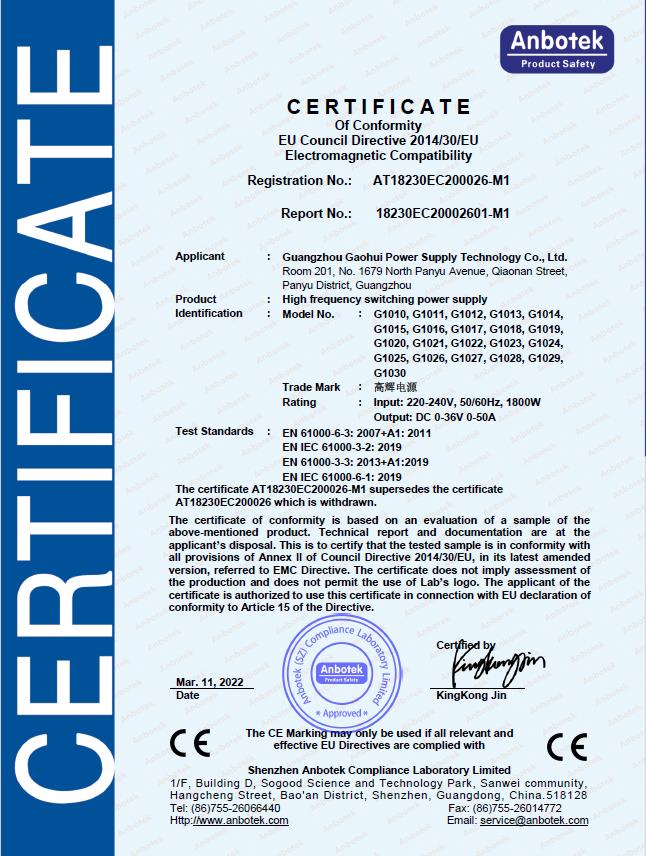
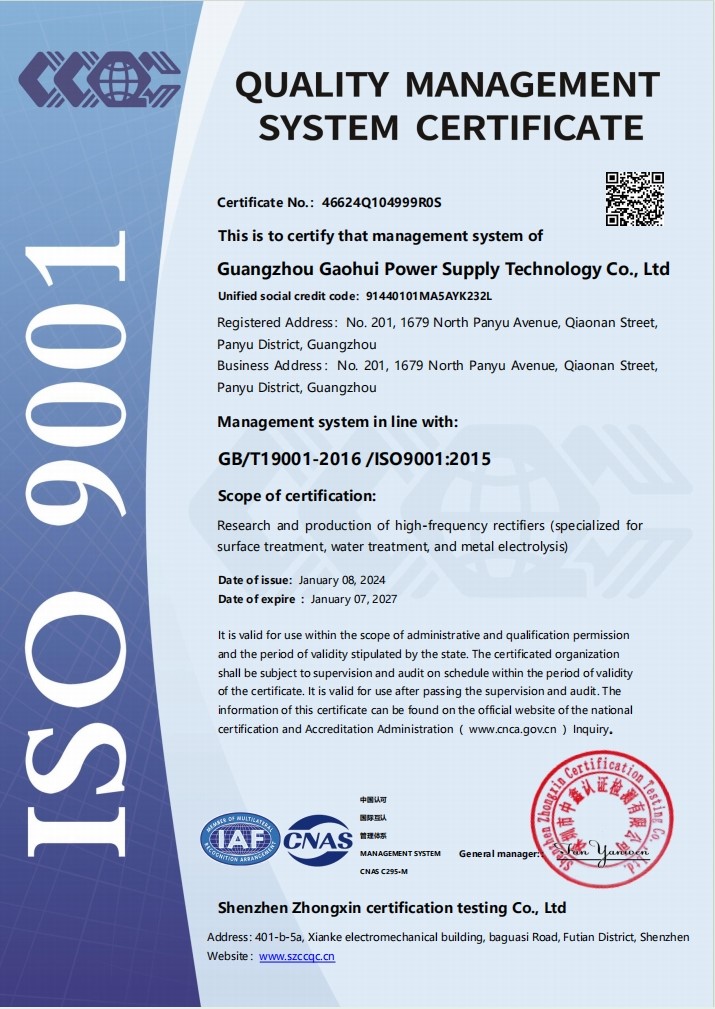
Learn more about related products:Electrocoagulation Rectifier
A: Products with the same nominal specifications often serve different industries, and they may carry different detailed parameter requirements. These differences directly affect production costs and technical solutions, so final prices will vary accordingly. For this reason, we recommend you contact us directly to receive a precise and tailored quotation.
A: We assign specialized consultants to support each industry sector. If you need further information, simply reach out to us. After we confirm your request, we will immediately send you the full technical datasheets and product images you need.
A: We focus on custom non-standard industrial power supplies, so we can fully adjust output current and voltage to match your exact needs. The products shown on our website only represent part of our actual range, as we do not list every model online. If you cannot find your desired specifications, please contact us directly. We will work with you to confirm your exact requirements, or we can guide you to select the most suitable parameters based on your industry standards. We will provide complete technical specifications and dimension drawings so you can fully understand the product.