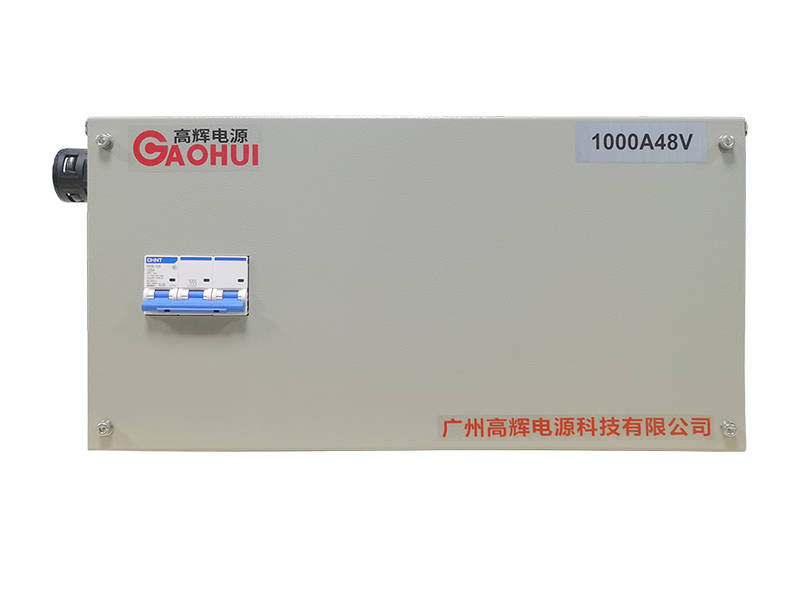
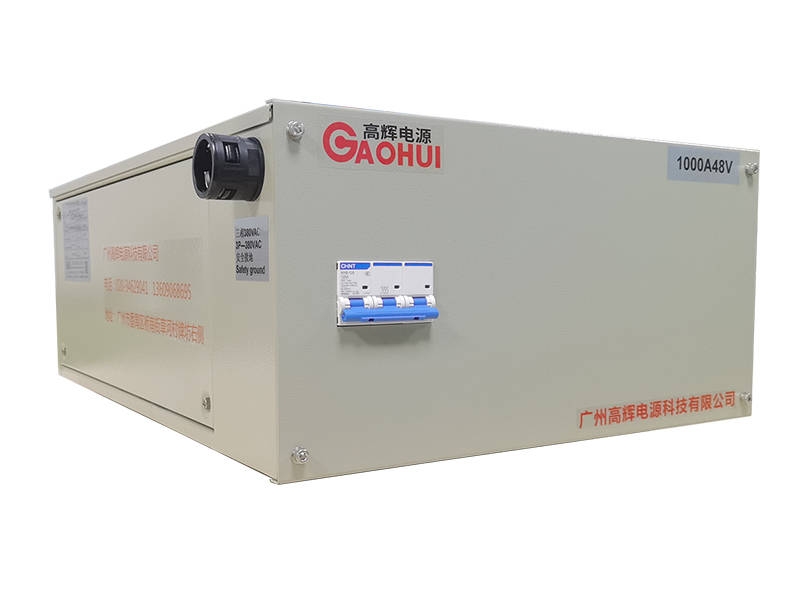
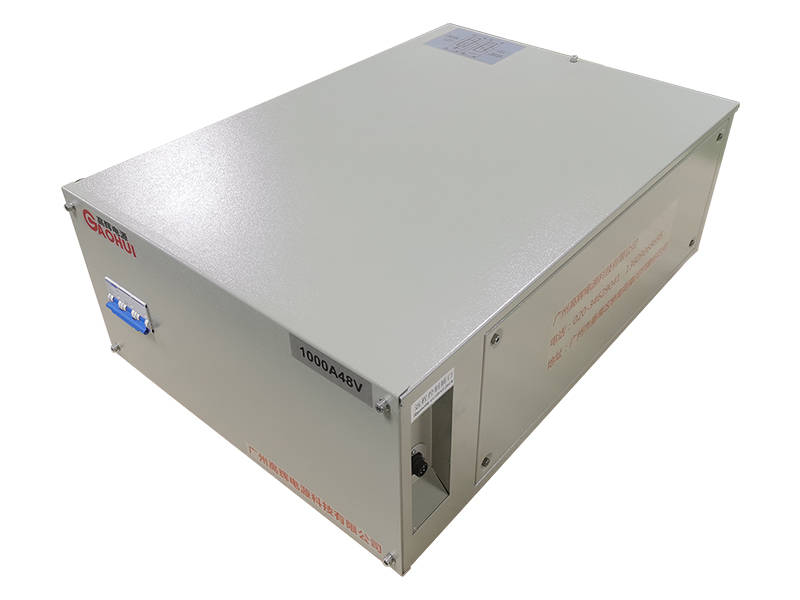
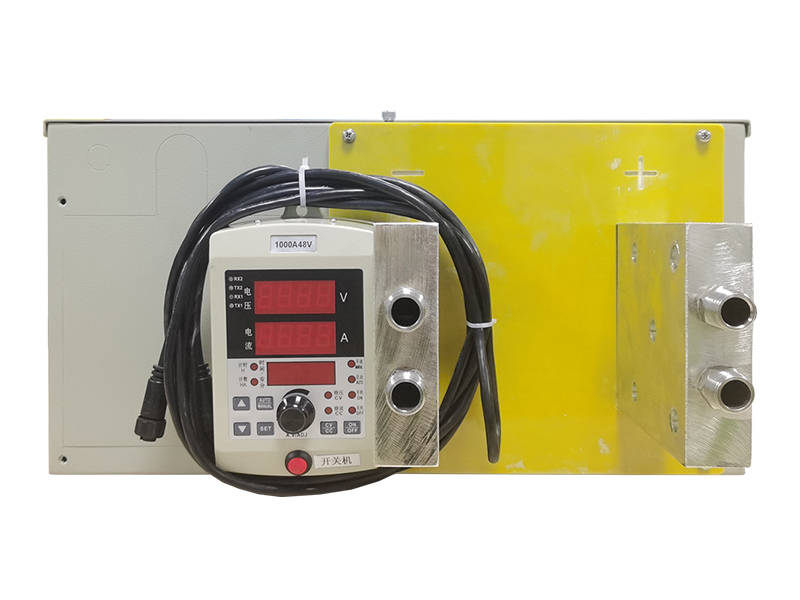
Output: 48V / 1000A DC continuous
Application: Etching solution recovery and regeneration
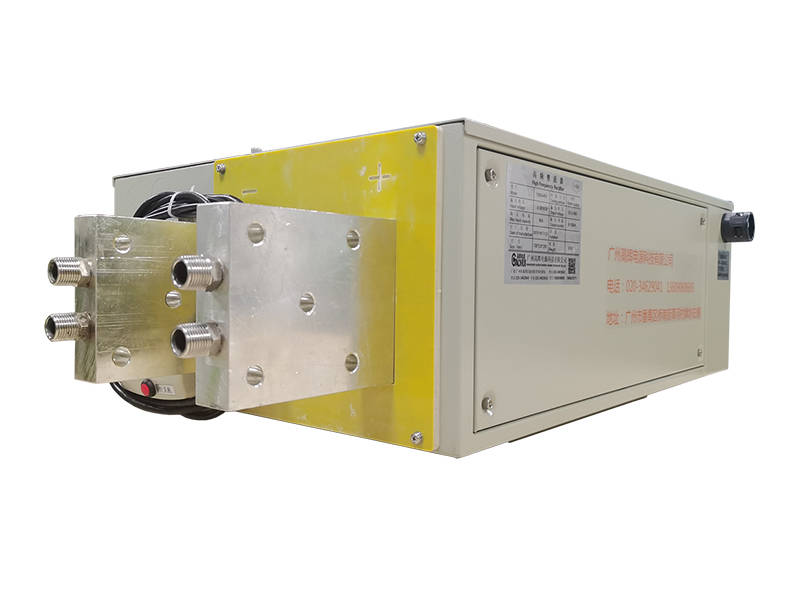
Cooling: Water cooled for 24/7 operation
Control: Digital CV/CC with ±1% precision
Key Benefit: Reduces chemical waste and operating costs
Industries: PCB manufacturing, metal finishing, semiconductor
This 1000A 48V water cooled rectifier is specifically engineered for etching solution recovery equipment. It delivers stable high current DC power for electrolytic regeneration of spent etchants. Consequently, it extends bath life significantly while reducing chemical waste and operating costs. This technology is essential for sustainable PCB and metal finishing operations.
The recovery process uses electrolysis to remove dissolved metals from etching solutions. This rectifier provides the precise DC power needed to plate out copper and other metals efficiently. As a result, etchants maintain their activity and can be reused continuously. This closed-loop approach minimizes chemical purchases and waste disposal requirements.
This etching solution recovery rectifier offers exceptional current stability for consistent metal removal. Therefore, it achieves high recovery efficiency with minimal energy consumption. Moreover, the water cooled design enables reliable 24/7 operation in demanding industrial environments. Additionally, precise digital controls allow operators to optimize parameters for different etchant chemistries.
The fully sealed water cooled design protects internal components from corrosive fumes and moisture. As a result, this rectifier performs reliably in etching shops and chemical processing facilities. Furthermore, the closed-loop cooling system maintains optimal temperatures during extended high-current operation. This robust construction ensures long service life with minimal maintenance requirements.
PCB manufacturers use this recovery rectifier for copper etchant regeneration. Metal finishing facilities employ it for reclaiming metals from etching baths. Semiconductor fabricators utilize it for precise etching chemistry control. Plating shops also apply it for waste reduction and chemical cost savings.
This etching solution recovery system dramatically reduces chemical consumption. It also minimizes hazardous waste generation and disposal costs. Furthermore, recovered metals can be sold or reused, creating additional revenue streams. The return on investment is typically rapid due to ongoing operational savings.
Digital controls allow fine-tuning of current density for optimal recovery rates. Operators can adjust parameters based on etchant chemistry and metal concentration. This flexibility ensures maximum efficiency across different applications and bath conditions.